Product Description
Heating, Ventilation and Air-Conditioning Systems, Part of Indoor Air Quality Design Tools for Schools. The main purposes of a Heating, Ventilation and Air-Conditioning (HVAC) system are to help maintain good indoor air quality (IAQ) through adequate ventilation with filtration and provide thermal comfort.
Innovative Compressor TechnologyUtilize scroll or reciprocating compressors for efficient heating, cooling, and ventilation in diverse environments. These compressors optimize energy consumption while ensuring consistent operation, making them suitable for heavy-duty commercial and industrial applications.
Eco-friendly Cooling SolutionsOperating with refrigerants R410A and R32, this HVAC system prioritizes sustainability without compromising performance. The air or water-cooled options allow for flexible installation and minimize environmental impact with reduced ozone depletion potential.
Intelligent Automatic ControlA microprocessor-based control panel enables precise monitoring and adjustment of temperature, humidity, and airflow. The system supports automatic operation, integrating with accessories such as thermostats and remote controls to provide a convenient, user-friendly experience.
FAQ's of HVAC Heating Ventilation and Air-Conditioning Systems:
Q: How does the HVAC system ensure energy savings during operation?
A: The system uses high-efficiency compressors, eco-friendly refrigerants, and a microprocessor-based control panel to optimize energy use. Automatic temperature control, variable motor speeds, and multi-stage filtration all contribute to lower power consumption and reduced operational costs.
Q: What is the process for installing the Central HVAC system in commercial environments?
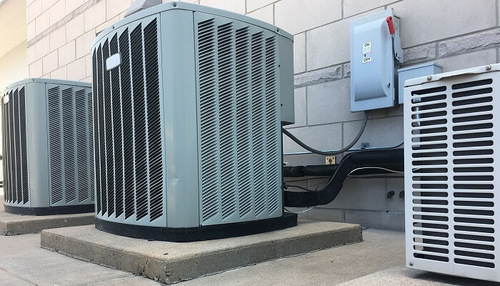
A: Qualified technicians install the system as a floor-mounted unit compatible with both standard and custom ducts. Installation includes connecting to the electric power source, securing the condensing unit indoors or outdoors, and configuring automatic control settings for optimal performance.
Q: When should I schedule maintenance for my HVAC system?
A: Routine maintenance should be performed biannually or as specified by the manufacturer. This includes checking filtration units, verifying compressor function, inspecting safety features, and cleaning ducts to ensure continuous efficiency and longevity.
Q: Where can this Central HVAC System be deployed?
A: It is designed for large commercial and industrial spaces including offices, hotels, hospitals, malls, and similar venues. Coverage area ranges from 800 to 15,000 square feet, making it ideal for expansive indoor environments.
Q: What safety features are integrated into the HVAC system?
A: The system includes overload protection, phase failure protection, and uses high-grade thermal insulation along with a powder-coated finish on durable metal or stainless steel to safeguard against operational hazards, extending the unit's lifespan.
Q: How does the multi-stage filtration benefit indoor air quality?
A: Multi-stage filtration captures dust, allergens, and pollutants, delivering cleaner air and reducing health risks. This is especially beneficial for spaces with high foot traffic or sensitive environments like hospitals and hotels.

 English
 Spanish
 French
 German
 Italian
 Chinese (Simplified)
 Japanese
 Korean
 Arabic
 Portuguese

 PURE OXIDANE TECHNOLOGY PRIVATE LIMITED



 Send Inquiry


 Send Inquiry
 Send SMS
 Call Me Free